Why Most Constipation Advice Misses the Mark
If you have ever been constipated, you have probably been told to eat more fiber. Prunes, bran flakes, apples, kale salads - the list is well-worn. But here is the thing nobody tells you: for at least one in three people, piling on fiber without a strategy makes constipation worse, not better.
I learned this the hard way. Early in my practice, a client came to me after two weeks of agony. She had dutifully eaten a large bowl of oat bran every morning, drank a smoothie packed with spinach, and added flaxseed to everything. She was more backed up than when she started. The problem was not the foods - it was the mismatch between her constipation type and the fiber she chose.
That is the gap I want to fill. Instead of dumping a generic list of "best foods," I will teach you how to identify your constipation pattern, pick the right fiber, and pair it with water at the right time. This is not another listicle. This is a targeted, mechanism-first approach that actually works.
The Two Main Types of Constipation (and Why Your Food Strategy Should Change)
Constipation is not one condition. From a functional standpoint, it falls into two broad categories: slow-transit constipation and pelvic floor dysfunction (or dyssynergic defecation). Many people straddle both, but the food strategy differs for each.
Slow-transit constipation means the muscles of your colon are moving stool too slowly. Waste sits in your large intestine longer than it should. Water gets reabsorbed, and the stool turns hard, dry, and difficult to pass. This is the classic "I haven't gone in three days" type.
Pelvic floor dysfunction (or obstructive defecation) means the nerves and muscles that coordinate the act of pooping are not working in sync. The stool may be soft, but you cannot relax the pelvic floor to let it out. You feel the urge but cannot go. In this case, adding more bulk can actually make it harder to evacuate.
Most people assume they have the first type. Many actually have the second, or a mix. The "best foods to eat when constipated" depend entirely on which pattern you are dealing with.
How to Tell Which Type You Have (A Simple Self-Check)
This is not a medical diagnosis, but it can guide your approach. If you have infrequent bowel movements (fewer than three per week) and the stool is hard and lumpy, you likely lean toward slow transit. If you go daily but struggle to empty, feel a sense of incomplete evacuation, or need to strain excessively, pelvic floor dysfunction may be the culprit.
Keep a journal for three days. Note stool consistency using the Bristol Stool Chart (types 1 and 2 indicate slow transit; types 3 and 4 are normal; types 5-7 are loose). Also note whether you feel a strong urge but cannot go. This simple data will tell you more than any generic advice.
Slow-Transit Constipation: The Case for Soluble Fiber
If your stool is hard and dry, your goal is to increase water retention in the colon. That is where soluble fiber shines. Soluble fiber dissolves in water to form a gel-like substance that slows stomach emptying and holds moisture in the stool. It softens the stool and makes it easier to pass, without adding excessive bulk.
The best sources for slow transit include:
- Oatmeal (not instant packets with added sugar - choose rolled or steel-cut oats)
- Psyllium husk (the active ingredient in Metamucil, but the plain powder is better)
- Prunes and prune juice (contain sorbitol, a natural sugar alcohol that draws water into the colon)
- Pears (especially ripe ones - the skin contains pectin, a soluble fiber)
- Ripe bananas (green bananas are high in resistant starch, which can be binding; ripe with brown spots are what you want)
- Cooked carrots and sweet potatoes (gentle soluble fiber, easy to digest)
When I first started working with clients, I assumed more fiber was always better. I learned the hard way that dumping a bowl of raw wheat bran into a slow-moving colon is like adding gravel to a traffic jam. One client who tried that ended up with impacted stool and a trip to urgent care. The takeaway: for slow transit, soluble fiber is the safer bet.
The Timing Trick Nobody Talks About
Most people eat fiber haphazardly throughout the day. That is a mistake. To maximize the effect on slow transit, consume your main soluble fiber source about 30 to 60 minutes before a meal. This gives the fiber time to start forming a gel in your stomach. Then drink a full glass of water (12-16 ounces) with the fiber. The water must follow the fiber within a few minutes, or the fiber will sit dry and cause a blockage.
If you are using psyllium, mix it with at least 10 ounces of water and drink it immediately. Do not let it sit - it will turn into a solid lump. Then drink another 8 ounces of water after. This "double water" protocol is the single most common mistake people miss. Without it, even the best foods can backfire.
Pelvic Floor Dysfunction or Stool That Is Too Soft? The Role of Insoluble Fiber
If your stool is soft but you cannot push it out, adding more bulk via insoluble fiber can actually help. Insoluble fiber does not dissolve in water. It adds roughage and bulk to the stool, which can stimulate the nerve receptors in the rectal wall to signal the urge to go. Think of it as giving the colon something to push against.
But - and this is critical - insoluble fiber works only if you have adequate hydration and normal pelvic floor coordination. If you have pelvic floor dysfunction, adding too much insoluble fiber without correcting the muscle coordination can cause a sensation of incomplete evacuation and worsen the feeling of fullness.
Good sources of insoluble fiber for this scenario include:
- Leafy greens (spinach, kale, Swiss chard - but cook them lightly to reduce gas)
- Wheat bran (start with 1 tablespoon and increase slowly)
- Broccoli and cauliflower (steamed, not raw - raw cruciferous vegetables can cause gas and bloating)
- Nuts and seeds (almonds, walnuts, chia seeds - but chew them thoroughly)
- Berries (raspberries and blackberries have a high fiber-to-sugar ratio)
I have a client who swore by kale salads every day for her constipation. She was eating a huge bowl of raw kale with chickpeas and quinoa. She was bloated, gassy, and still constipated. The problem? Her pelvic floor was tight, and the high insoluble fiber was creating a large, bulky stool that she could not evacuate. We switched her to cooked greens and added a pelvic floor physical therapy referral. Within two weeks, she was regular. The food was not the enemy - the timing and type were.
The Critical Hydration Protocol (Fiber Without Water Backfires)
This is the most important principle in the entire article. Fiber and water are a team. If you eat a high-fiber meal and do not drink enough water, the fiber will absorb whatever moisture is left in your colon. Instead of softening the stool, it will turn it into a dry, hard plug. This is why some people get worse on a high-fiber diet.
How much water? The standard recommendation is 8-10 cups per day, but that is a floor, not a target. For constipation relief, I tell clients to aim for half your body weight in ounces of water per day. A 160-pound person needs about 80 ounces (10 cups). If you are active or live in a hot climate, add more.
Here is a practical framework I call the "Water-Pair Rule": every time you eat a fiber-rich food, drink at least 8 ounces of water within 15 minutes. If you have a bowl of oatmeal (8 grams of fiber), drink 8 ounces. If you have two tablespoons of chia seeds (10 grams of fiber), drink 10 ounces. This simple rule prevents the fiber from becoming a problem.
Do not count coffee, tea, or soda toward your water goal. Caffeine is a mild diuretic, and sugary drinks can slow gut motility. Stick to plain water, sparkling water (unsweetened), or herbal teas like peppermint or ginger.
Foods That Worsen Constipation (and the Top 10 Constipating Foods)
Now let us address the other side of the equation. Certain foods actively slow down transit or harden stool. If you are constipated, these are the ones to minimize or avoid, at least until you are regular.
Here are the top 10 constipating foods, based on clinical experience and the available research:
- Unripe bananas (high in tannins and resistant starch - they bind stool)
- Cheese and full-fat dairy (high in casein and fat, which slow transit)
- Processed meats (sausages, hot dogs, salami - high in fat, low in fiber)
- White bread and refined flour products (low fiber, and the gluten can be an issue for some)
- Fried foods (high fat slows stomach emptying)
- Red meat (particularly large portions - it takes longer to digest)
- Chocolate (especially milk chocolate - high fat and sugar, plus caffeine for some)
- Chips and pretzels (low fiber, high salt, and often eaten without water)
- Ice cream (dairy fat + sugar = a constipation double whammy)
- Caffeine in excess (more than 2-3 cups can dehydrate and bind stool)
Notice that many of these are also high in fat or low in water. The mechanism is simple: fat slows gastric emptying, and low water content means less fluid in the colon. If you are prone to constipation, consider reducing these foods for a few days and see if that helps.
One common question I get: "What foods worsen constipation?" The answer is often not a single food but a pattern. A diet high in processed foods, low in vegetables, and low in water is the real culprit. For a deeper dive on gentle foods that support digestion, check out our guide on Top 8 Light Foods for Better Digestion, which covers meals that are easy on the gut without being devoid of fiber.
Quick Relief: What to Eat When You Need to Go Now
If you are reading this because you are in the middle of an episode and need relief within hours, here is a targeted approach. These foods and strategies can work within 1-8 hours, depending on your body.
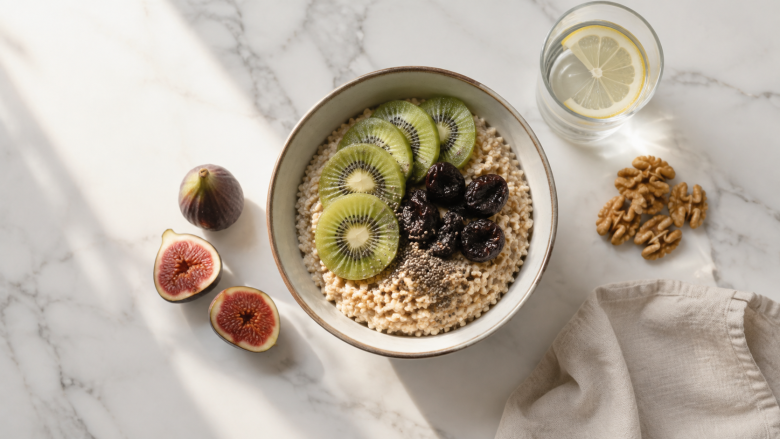
Prunes (dried plums) are the gold standard. Eat 3-5 prunes (about 100 calories) and drink a full glass of water. The sorbitol acts as a gentle osmotic laxative. If you do not have prunes, try a cup of prune juice. It works faster but may cause gas.
Flaxseed oil or ground flaxseed can also help. One tablespoon of ground flaxseed in a glass of warm water, followed by another glass of water, can stimulate a bowel movement within 2-4 hours. The oil lubricates the stool.
Warm lemon water (juice of half a lemon in 8 ounces of warm water) is a mild stimulant. Drink it first thing in the morning on an empty stomach. The warmth relaxes the gut, and the vitamin C can draw water into the colon.
Kiwi (2 kiwis, skin on) is backed by research. A 2021 study in the American Journal of Gastroenterology found that two kiwis per day increased bowel movements and reduced straining. The enzyme actinidin helps break down protein and may improve motility.
If you need a faster option, a gentle saline laxative like magnesium citrate (the liquid form) can work in 30 minutes to 3 hours, but that is a supplement, not a food. Use it sparingly.
One thing nobody tells you about quick relief: do not panic. Stress and anxiety release cortisol, which can inhibit the parasympathetic nervous system (rest and digest). If you are stressed about being constipated, you are less likely to relax the pelvic floor. Take a deep breath, sit on the toilet with your feet on a small stool (to mimic a squat), and give yourself time.
Putting It All Together: A 3-Day Targeted Meal Plan
Here is a sample three-day plan designed for slow-transit constipation. If you suspect pelvic floor dysfunction, adjust by swapping the morning oatmeal for a cooked green smoothie (spinach, banana, chia seeds, water) and focus on relaxation techniques before meals.
Day 1
- Breakfast: 1 cup rolled oats with 1 tablespoon ground flaxseed, 1/2 cup sliced ripe pear, and 1 cup water (drink 8 oz water with the meal).
- Lunch: Lentil soup (cooked lentils, carrots, celery, ginger) with a side of steamed spinach. Drink 8 oz water.
- Snack: 2 kiwis, skin on.
- Dinner: Grilled salmon with roasted sweet potatoes and a small side of steamed broccoli. Drink 8 oz water.
Day 2
- Breakfast: Smoothie with 1 cup unsweetened almond milk, 1/2 cup frozen berries, 1 tablespoon chia seeds, handful of spinach. Drink 8 oz water.
- Lunch: Quinoa bowl with black beans, diced bell peppers, avocado, and a squeeze of lime. Drink 8 oz water.
- Snack: 3-5 prunes plus 8 oz water.
- Dinner: Chicken stir-fry with bok choy, carrots, and brown rice. Drink 8 oz water.
Day 3
- Breakfast: 2 slices of whole-grain toast with 1/2 mashed avocado and a side of 2 scrambled eggs. Drink 8 oz water.
- Lunch: Mixed greens salad with grilled chicken, chickpeas, cucumber, and a light olive oil vinaigrette. Add a handful of raspberries. Drink 8 oz water.
- Snack: 1/2 cup plain Greek yogurt (if you tolerate dairy) with 1 tablespoon psyllium husk mixed in. Drink 8 oz water.
- Dinner: Baked cod with roasted asparagus and a side of cooked white beans. Drink 8 oz water.
Each day, aim for a total of 25-35 grams of fiber and 64-80 ounces of water. Adjust portions based on your appetite. If you feel bloated, reduce the insoluble fiber sources (like broccoli or raw greens) and emphasize soluble options.
When to See a Doctor
This article is for educational purposes and does not replace medical advice. If you have constipation lasting more than three weeks despite dietary changes, if you experience severe abdominal pain, blood in your stool, or unexplained weight loss, see a healthcare provider. Chronic constipation can be a sign of underlying conditions such as hypothyroidism, diabetes, or colorectal issues. A pelvic floor physical therapist can also be invaluable for the coordination-type constipation.
The best foods to eat when constipated are not a one-size-fits-all list. They are a targeted toolkit that you match to your specific pattern. Learn the mechanism, choose the right fiber, hydrate with precision, and give it time. Your gut will thank you.