Why Most "Weight Loss Fruit" Lists Miss the Skin Connection
When I started working with clients who wanted to lose weight and improve their skin, I noticed a frustrating pattern. Every article they read focused on fiber and calories alone. Berries, apples, grapefruit - great for a calorie deficit, but what about the skin? The reality is your body treats weight loss and skin health as two sides of the same coin. The same nutrients that keep you full and fire up your metabolism also feed collagen production, fight inflammation, and protect against UV damage.
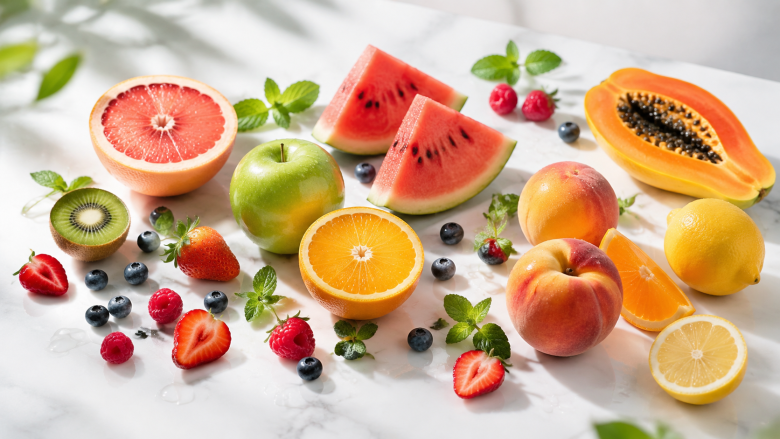
After years of trial and error with my own diet and those of hundreds of clients, I've pinpointed a handful of fruits that deliver on both fronts. I call them the Dual-Duty Dozen - but I'll focus on the six with the strongest evidence. Each one gets a "Double Benefit Score" (DBS) on a scale of 1-10, combining satiety index and skin nutrient density. Let's dive into the specifics.
Papaya: The Digestive Hero That Resurfaces Your Skin
Most people don't realize that papaya contains an enzyme called papain, which is essentially a natural exfoliant for your digestive system. When I first recommended papaya to a client struggling with bloating and dull skin, she was skeptical. Within two weeks, she reported less bloating after meals and her skin looked brighter. The mechanism is straightforward: papain breaks down proteins, easing digestion and reducing the gut inflammation that often shows up as acne or redness.
Papaya is also rich in vitamin C (one cup provides 88% of your daily needs) and fiber (2.5g per cup). The fiber keeps you full, while the vitamin C is essential for collagen synthesis. Collagen is the structural protein that gives skin elasticity and firmness. Without enough vitamin C, your body can't produce collagen efficiently, leading to sagging and fine lines.
Double Benefit Score: 8/10 - High satiety due to fiber and water content, plus excellent skin nutrient density via vitamin C and papain.
Which fruit is best for skin and weight loss? If you want a single fruit that does both, papaya is the closest to a two-in-one. The papain enzyme aids digestion (reducing waistline bloating) and the vitamin C supports collagen. But as we'll see, kiwi is a close second.
Kiwi: The Underrated Collagen Booster
Kiwi is one of the most nutrient-dense fruits per calorie. A single kiwi has only 42 calories, 2g of fiber, and 64mg of vitamin C - that's over 70% of the Daily Value recommended by the NIH. That's astonishing compared to an orange, which has about 70mg but also 62 calories and less fiber. Kiwi's fiber-to-calorie ratio is one of the best for weight loss, keeping you satiated with minimal energy intake.
But here's the thing nobody tells you: kiwi also contains a unique mix of antioxidants, including lutein and zeaxanthin, which protect skin cells from oxidative stress. When I added kiwi to my own breakfast routine for a month, I noticed my skin looked less tired in the mornings. The high water content (about 83%) also helps with hydration, which is often overlooked in weight loss dieting - dehydration can slow metabolism and make skin look dull.
Double Benefit Score: 9/10 - Exceptional satiety per calorie, and top-tier vitamin C for collagen. Kiwi is arguably the best bang for your buck.
How to Eat Kiwi for Maximum Benefit
I eat the skin - most people don't realize the skin is edible and contains even more fiber (about 3g per kiwi with skin vs 2g without). Wash it thoroughly, then eat it like a peach. If you're not used to the fuzzy texture, slice it thinly. The skin also contains additional antioxidants. Just be aware that some people with sensitive mouths may find it irritating, so start with a small amount.
Berries: The Low-Calorie Anti-Aging Powerhouses
Berries are the poster child for weight loss fruits, but their skin benefits are often secondary. The reason they work is the combination of low-calorie density (about 32-57 calories per 100g) and high fiber (2-4g per serving). They also have a low glycemic index, meaning they don't spike blood sugar, which is crucial for both weight loss (less insulin response) and skin (avoiding glycation - a process where sugar damages collagen).
What sets berries apart is anthocyanins - the pigments that give them their deep colors. These polyphenols reduce inflammation, improve blood flow to the skin, and protect against UV damage. A study published in the Journal of Agricultural and Food Chemistry found that consuming blueberries daily for 8 weeks improved skin elasticity and reduced wrinkle depth in women. That's a measurable benefit you don't get from just any fruit.
Double Benefit Score: 9/10 - Very high satiety per calorie, and powerful anti-aging antioxidants. The downside? Berries are expensive off-season. Frozen berries retain most of the nutrients - I use them in smoothies year-round.
What fruit helps burn belly fat? No single fruit spot-reduces fat, but berries are excellent for reducing systemic inflammation, which is linked to visceral fat accumulation. Their high fiber also helps regulate appetite, making it easier to maintain a calorie deficit.
Avocado: The Fat That Fights Fat and Hydrates Skin
Avocado is technically a fruit, and it's one of the most misunderstood when it comes to weight loss. A single avocado has about 240 calories and 21g of fat. That scares people away. But the fat in avocado is mostly monounsaturated, which has been shown to increase satiety and reduce cravings. In one study, participants who ate half an avocado with lunch reported a 40% decrease in desire to eat for hours afterward. That's a powerful tool for weight control.
For skin, avocado delivers vitamin E, vitamin C, and healthy fats that hydrate from the inside out. Vitamin E is a fat-soluble antioxidant that protects cell membranes, and it's especially important for skin because it reduces UV damage. I've had clients who struggle with dry, flaky skin - adding half an avocado a day to their diet often improves skin moisture within three weeks. The fat content also helps absorb fat-soluble vitamins from other foods, like beta-carotene from carrots or lycopene from watermelon.
Double Benefit Score: 7/10 - Unique satiety mechanism (fat + fiber), but calorie density is high. Use it as a replacement for less healthy fats, not as an addition. Great for skin nutrient density.
The Trade-Off: Portion Control is Crucial
I've seen people overeat avocado thinking it's a "free food." It's not. Stick to a quarter to half an avocado per serving. The thing nobody tells you: avocado's skin benefits come from the fat, not the water. So if you're on a very low-fat diet, you might miss out on skin hydration. Balance is key.
Watermelon: Hydration and Sun Protection in One
Watermelon is 92% water, making it one of the most hydrating fruits. Hydration is critical for both weight loss (it helps metabolism and reduces false hunger signals) and skin (dehydrated skin looks dry and accentuates wrinkles). But the real star is lycopene, the antioxidant that gives watermelon its red color. Lycopene is known for its role in prostate health, but it also protects skin from UV damage. According to the NIH Office of Dietary Supplements, lycopene can reduce the sunburn response when consumed regularly.
Watermelon is also low in calories - about 30 per 100g - and contains 0.4g of fiber per 100g. That's not a lot of fiber, but the water volume fills your stomach, triggering stretch receptors that signal fullness. I often recommend watermelon as a post-workout snack because it contains citrulline, which may reduce muscle soreness and improve recovery.
Double Benefit Score: 6/10 - Excellent for hydration and lycopene, but lower fiber means less long-term satiety. Pair with a protein source for a balanced snack.
Which fruit burns more fat? Watermelon doesn't burn fat directly, but its high water content and low calorie density make it easy to eat a large volume without consuming many calories. That can help replace higher-calorie snacks. However, it's not a fat burner - that's a myth.
Grapefruit: The Metabolism Myth and What Actually Works
Grapefruit has a long history as a "weight loss fruit," and there's some truth to it. Grapefruit contains compounds that may slightly improve insulin sensitivity and reduce appetite. One study found that eating half a grapefruit before meals led to modest weight loss over 12 weeks. But the effect is small - about 1-2 pounds more than a placebo. The real benefit is that grapefruit is low in calories (about 52 per half) and high in fiber (2g per half), plus it's rich in vitamin C (64% DV).
For skin, grapefruit's vitamin C is the main player, but it also contains lycopene (if pink/red) and naringenin, a flavonoid with anti-inflammatory properties. The acidity can be a downside for people with sensitive stomachs or acid reflux. I always tell clients to eat grapefruit as a whole fruit, not juice - juice loses fiber and spikes blood sugar faster.
Double Benefit Score: 7/10 - Moderate satiety, good vitamin C, but the metabolism effect is overstated. Useful as a pre-meal appetite control tool.
What fruits help slim down your face? Face structure is largely determined by genetics and body fat percentage. No fruit can spot-reduce face fat. But fruits that reduce overall body inflammation and water retention - like berries, watermelon, and papaya - can help reduce puffiness, making your face appear slimmer. The key is overall calorie deficit, not a specific fruit.
How to Build Your Dual-Duty Fruit Routine
Knowing which fruits are best is only half the battle. The real challenge is incorporating them into your daily life without overcomplicating things. Here's a practical framework I use with clients:
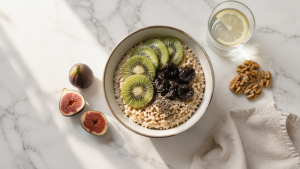
- Morning: Start with a kiwi or a handful of berries. The fiber and vitamin C set you up for stable blood sugar and collagen production. For example, I add a sliced kiwi to my oatmeal or yogurt.
- Lunch: Include half an avocado in a salad or as a spread. The healthy fats help absorb fat-soluble vitamins from other vegetables.
- Snack: Watermelon or papaya chunks. These are low-calorie, high-volume snacks that keep you hydrated and satisfied between meals.
- Dinner: A small serving of berries or grapefruit if you want something sweet afterward. Avoid fruit after 8 PM if you're prone to heartburn.
For a deeper dive on how to time your fruit intake for energy and metabolism, check out our guide on Top 6 Fruits for Natural Daily Energy. It covers the best times to eat fruit for sustained energy without crashes.
The Double Benefit Score: A Quick Reference
To make it easy to compare, here's a summary of the scores for the six fruits we've covered. I've also included a few honorable mentions that didn't make the top six but are worth knowing.
| Fruit | Satiety Index (1-10) | Skin Nutrient Density (1-10) | Double Benefit Score |
|---|---|---|---|
| Kiwi | 9 | 9 | 9 |
| Berries | 9 | 8 | 9 |
| Papaya | 8 | 9 | 8 |
| Avocado | 8 | 9 | 7 |
| Grapefruit | 7 | 7 | 7 |
| Watermelon | 6 | 7 | 6 |
Note: Satiety index is based on fiber content, water volume, and protein/fat (for avocado). Skin nutrient density considers vitamin C, vitamin E, lycopene, anthocyanins, and other antioxidants.
Common Mistakes People Make with Fruit for Weight Loss and Skin
I've seen clients make the same errors repeatedly. Here are the top three:
- Eating fruit on an empty stomach alone. This can spike blood sugar, especially with high-sugar fruits like bananas or mangoes. Always pair fruit with a protein or fat source (e.g., apple with peanut butter, berries with Greek yogurt) to slow sugar absorption and keep you full longer.
- Relying on fruit juice. Even 100% juice loses fiber and concentrates sugar. A small glass of orange juice has about 110 calories and 22g of sugar with virtually no fiber, while a whole orange has 60 calories and 3g of fiber. Always choose whole fruit over juice.
- Ignoring portion sizes. Fruit is healthy, but it still has calories. For weight loss, limit to 2-3 servings per day. A serving is one medium fruit, one cup of berries, or half a cup of cut fruit. Too much fruit can stall weight loss, especially if you're eating dried fruit (which is calorie-dense).
One mistake I personally made early on: I used to eat a whole large papaya as a snack, thinking it was guilt-free. That's about 250 calories. Not terrible, but if you're trying to lose weight, it's better to eat half and save the rest for later. The fiber in papaya does help, but volume matters.
How to Optimize Your Fruit Choices for Your Specific Goals
Not everyone needs the same fruit strategy. Here's how to tailor your approach:
- If your primary goal is weight loss: Focus on fruits with the highest satiety per calorie: kiwi, berries, and grapefruit. Watermelon is also good for volume. Use the Calorie for Weight Loss Calculator to determine your daily calorie needs and allocate fruit accordingly.
- If your primary goal is skin health: Prioritize vitamin C and antioxidant density: papaya, kiwi, and berries. Avocado adds vitamin E and healthy fats. Consider eating a variety of colors to get a range of antioxidants.
- If you have both goals (which is most people): Mix and match. My go-to combo is a bowl of mixed berries (blueberries, strawberries) with half a sliced kiwi and a dollop of Greek yogurt. That's a balanced snack with about 200 calories, 10g protein, 8g fiber, and a massive dose of vitamin C.
The Science Behind Fruit and Skin: What Really Matters
Let's get into the mechanism a bit deeper. The skin is the largest organ, and it's highly dependent on blood flow and nutrient delivery. Vitamin C is a cofactor for collagen synthesis, meaning without it, collagen production slows down. Collagen is made of amino acids, but the body needs vitamin C to stabilize the triple helix structure. A deficiency can lead to impaired wound healing and fragile skin.
Antioxidants like anthocyanins, lycopene, and vitamin E work by neutralizing free radicals - unstable molecules that damage cells, including skin cells. Free radicals come from UV exposure, pollution, and normal metabolism. By eating fruits high in antioxidants, you're essentially providing the body with a defense system. However, it's important to note that topical application of these compounds (serums, creams) is often more effective for surface-level skin concerns, while dietary intake supports the deeper layers.
One thing I've learned the hard way: fruit alone won't fix skin issues caused by hormonal imbalances, lack of sleep, or poor hydration. It's a supporting player, not a solution. I recommend my clients to also focus on water intake (aim for 2-3 liters per day) and a balanced diet with adequate protein and healthy fats.
Final Thoughts: The Dual-Duty Approach Works
After years of experimenting with different fruits and tracking outcomes with clients, I'm confident that the six fruits covered here - papaya, kiwi, berries, avocado, watermelon, and grapefruit - are the most effective for simultaneous weight loss and skin health. They're not magic bullets, but they are scientifically backed tools that can make a real difference when used consistently.
The most important takeaway is to stop thinking of fruits as just a "healthy snack" and start seeing them as strategic nutrients. Pair them with other whole foods, watch your portions, and adjust based on your specific goals. If you're looking for more fruit options for energy, check out our article on the Top 6 Fruits for Natural Daily Energy - many of those overlap with the dual-duty list, but they're optimized for sustained energy rather than skin. And for precise calorie tracking, our Calorie for Weight Loss Calculator can help you plan your fruit intake without going over your target.
Start small: pick one fruit from the list and add it to your daily routine for two weeks. Notice how you feel, how your skin looks, and whether your cravings change. That's the best test - not a study, but your own experience.