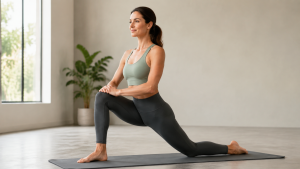
Last Tuesday, after a day filled with back-to-back calls and a mind that wouldn't settle, I stepped onto my mat in the quiet corner of my living room. The soft evening light slipped through the half-drawn blinds, casting gentle shadows on the floor. For the first time that day, my shoulders eased down from their tight perch near my ears. What began as a quick five-minute stretch unfolded into a gentle yoga flow that left me with a steady calm I hadn't realized I was craving.
This isn't about nailing flawless poses or pushing limits. It's a simple sequence that meets you right where you are—tired from the day, restless from too many thoughts, or just needing a moment to breathe. Over time, I've come back to it on evenings when everything feels a bit scattered, and it always brings that quiet anchor back.
I remember one such evening last week, pairing it with a few 6 Easy Plants to Freshen Your Home Air nearby. The subtle green presence made the space feel even more inviting, like a small oasis amid the usual clutter.
When Restlessness Signals It's Time for Your Mat
Restlessness creeps in quietly sometimes, like after a long afternoon staring at screens or chasing errands. I notice it in my body first—a subtle tension in my neck, or that fidgety feeling in my legs when I'm trying to wind down. It's my cue that the day has left me a bit unmoored, tired in a way that rest alone doesn't touch.
One evening last month, after skipping lunch and powering through meetings, I felt that familiar pull. Instead of scrolling endlessly, I unrolled my mat by the couch. That small shift turned scattered energy into something softer, more contained.
Everyday moments like this—end-of-day slumps or pre-dinner lulls—signal it's time. It's not about forcing a full routine every time. Just recognizing the restlessness opens the door to a breath or a pose that steadies things.
What I found was that these signals vary. Sometimes it's a heavy sigh after folding laundry; other times, it's pacing the kitchen while dinner simmers. Tuning into them without judgment builds a gentle rhythm over weeks.
A Simple Breath to Anchor the Start
Before any pose, I begin with breath—seated or standing, hands on belly. Inhale for four counts, feeling the rise; exhale for six, letting go of the day's residue. It's like sipping morning coffee, but inward, shifting fog to focus in moments.
Last Friday, amid a hectic morning, I paused by the window for this. No mat needed, just a chair and quiet. The breath anchored me, turning rushed thoughts into a calm baseline before the flow.
This entry point eases you in, no pressure. It reminds the body it's safe to soften. From there, the poses feel like natural extensions, not chores.
I keep it simple: eyes closed if possible, room dimmed. Even two rounds settle the mind enough for what's next.
The Heart of My Flow: Five Gentle Poses
This sequence forms the core of my routine—a slow weave of poses that release holding patterns without strain. Each one builds on the last, like steps in a familiar walk home. Hold for 30 to 60 seconds, breathing steadily, transitioning mindfully.
Start from the breath anchor, then ease into the first pose. Use a folded blanket under knees if needed. The whole flow takes 10 to 15 minutes, fitting snugly into evenings.
Here's the flow, broken into clear steps:
- Child's Pose: Kneel, big toes touching, knees wide. Fold forward, arms extended or by sides, forehead to floor or pillow. It feels like a restful surrender after a long drive—deep ease in hips and back. Breathe here 45 seconds, then sit up slowly.
- Cat-Cow Flow: On hands and knees, alternate arching spine up on exhale (cat), dipping down on inhale (cow). Move with breath, 5 to 8 rounds. Like waking a sleepy spine after napping—gentle waves bring steadiness. Transition to all fours.
- Seated Forward Fold: Sit with legs extended, hinge at hips to fold forward, hands on shins or floor. Bend knees if tight. Releases hamstring tension, akin to stretching after gardening—calm unfolds. Hold 60 seconds, roll up vertebra by vertebra.
- Supine Twist: Lie on back, draw right knee across body to left, gaze right. Arms wide. Switch sides. Side release feels like wringing out a day's twist—fresh space emerges. 30 seconds each side.
- Legs-Up-the-Wall: Scoot hips to wall, legs up, arms relaxed. Close eyes. Full settle, like sinking into bed after travel—legs lighten, mind quiets. Stay 2 to 3 minutes, then lower slowly.
Ending here leaves a lingering calm. I've done this flow post-dinner many times, feeling steadier for sleep.
What Helped Me / What Might Help You
Keeping a mat by my bed made starting effortless—no hunting around. I noticed calm lingered when I set a soft phone timer for 10 minutes, ending before fatigue set in.
Pairing with a warm tea ritual afterward deepened the unwind. One weekend, after a brisk walk inspired by How to Build a Simple Daily Walking Routine, the yoga sealed the day's reset perfectly.
Short audio cues from free apps guided me early on, fading as familiarity grew. Noticing small shifts—like looser shoulders—kept me coming back without force.
Props like cushions under knees prevented strain. It helped when I skipped if tired, trusting the habit's pull.
Weaving This Into Evenings Without the Rush
Post-dinner, before screens claim the night, became my slot. Lights low, maybe a candle flickering. It slips in like brushing teeth—routine, not rigid.
On busier nights, just three poses suffice. A mindset shift: view it as self-kindness, not another task. Over months, evenings feel less restless.
Pre-bed works too, easing into sleep. I once tried it after travel, grabbing How to Pick Healthy Snacks While Traveling for the road, then yoga upon return—steady arrival.
Family around? A quiet corner suffices. No rush builds lasting ease.
Your Gentle Experiment: One Pose for Five Days
Pick Child's Pose daily, 3 to 5 minutes. Morning or evening, whenever restlessness nudges. Note feelings loosely—a word in your journal, like "calmer" or "steady."
Notice what shifts over five days. No tracking pressure, just gentle curiosity.
What small moment calls you to your mat this week? Try the first breath today—no mat needed, just a breath.
FAQs
Do I need a yoga mat or special clothes?
A towel on carpet or rug works perfectly fine for support. Wear whatever comfy layers you have around the house, like soft pants and a tee. The focus stays on ease and your breath, not any gear.
How long until I feel calmer?
Some sense a shift right after one short session, a subtle softening in the chest. For others, it builds over a few days of gentle returns. Tune into your own steady moments—they come in their time.
What if I'm stiff or new to yoga?
Bend knees generously or use pillows under them for support—modifications keep it kind. Move at your pace, far slower than any video. This flow welcomes all bodies, designed for softness from the start.
Can I do this in the morning?
Yes, it pairs well with sunrise light, setting a calm tone for the day ahead. Many find the breath anchor wakes the body gently. Play with timings to match your natural rhythm.
Is this routine for stress relief?
It steadies me when restlessness or tiredness builds up. The poses and breath create space for everyday calm. Weave it with your own cues, like after a walk, for that lingering ease.